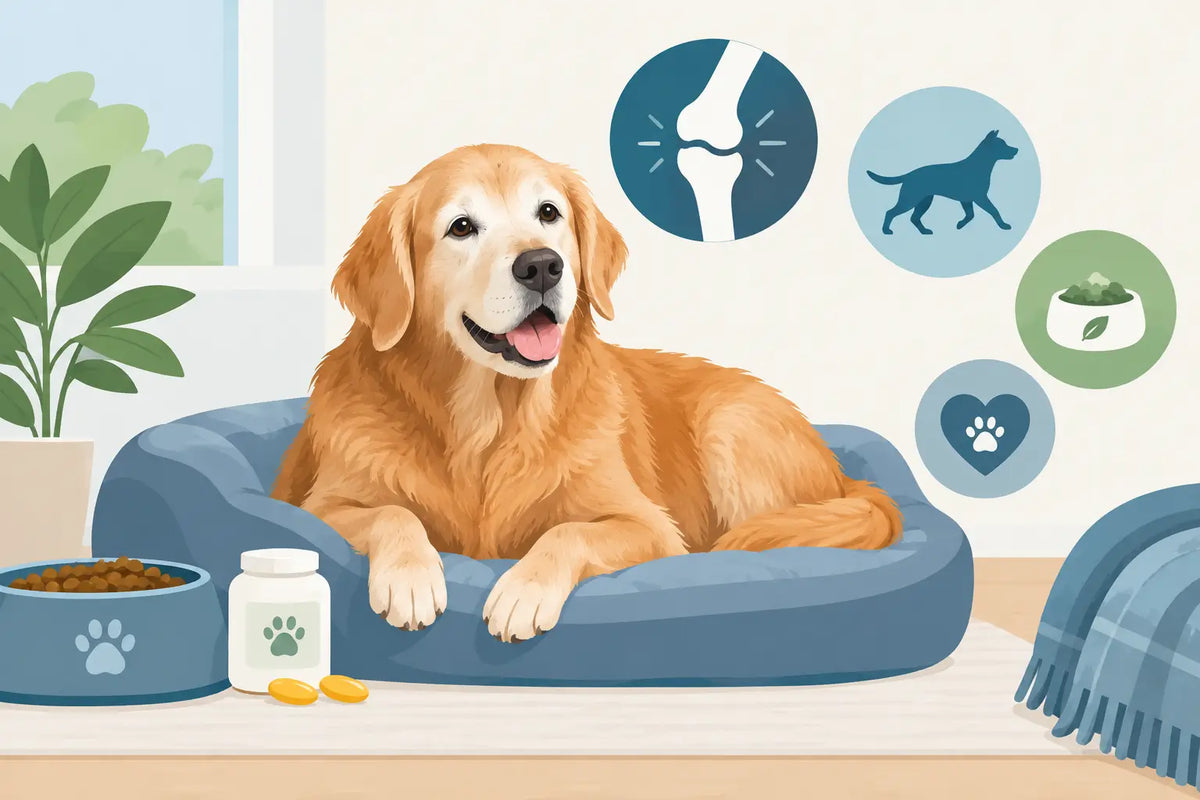
That pause before the stairs. The extra stretch after a nap. The walk that used to end in zoomies but now ends with your pup looking back toward home. These changes can sneak up on even the most attentive pet parent. Learning how to support aging dog joints is less about chasing one quick fix and more about building small, steady habits that help your dog stay comfortable, confident, and ready for the good stuff.
Aging is not a failure of care. Dogs slow down for many reasons, including normal wear and tear, body weight, old injuries, breed tendencies, and health conditions that need veterinary attention. What you can do is notice the early clues, make their daily world easier on their body, and give joint support enough time to become part of the routine.
Start With the Changes You Can See
Dogs are famously determined. Many will keep trotting after a ball or greeting every neighbor long after they have started feeling stiff. That is why joint discomfort does not always look dramatic. It may show up as a dog who takes longer to rise after resting, avoids jumping into the car, hesitates on slick floors, or chooses shorter play sessions.
Keep an eye on changes that last longer than a few days, especially if they are becoming more frequent. Common signs include a new limp, trouble getting settled, lagging behind on familiar walks, reluctance around stairs, licking at a joint, or a different posture. Sudden severe pain, inability to bear weight, swelling, yelping, weakness, or changes in bathroom habits deserve a prompt call to your veterinarian.
A vet visit is also a smart first move when you notice a gradual decline. Arthritis, ligament injuries, hip dysplasia, spinal issues, and other conditions can look similar at home but need different care. Your veterinarian can help you sort out what is happening and discuss whether pain management, physical therapy, imaging, activity changes, or supplements fit your dog's needs.
How to Support Aging Dog Joints at Home
The best home routine is usually boring in the best possible way: gentle, consistent, and tailored to the dog in front of you. A weekend warrior routine can leave an older pup sore for days, while regular low-impact movement helps maintain muscle that supports the joints.
Keep movement kind and consistent
For many senior dogs, several shorter walks are friendlier than one long trek. Let your dog set a comfortable pace, choose softer ground when possible, and allow plenty of time for sniffing. Swimming or supervised water walking can be excellent low-impact options for some dogs, but only if they are safe and genuinely enjoy it.
Warm-ups matter, too. Give your pup a few easy minutes to loosen up before asking for a brisk pace, fetch, or a hill. On chilly mornings, an extra minute or two of slow walking can make a noticeable difference. If your dog is stiffer after activity or slower the next day, scale back and ask your vet what level of movement is appropriate.
Make the house easier to navigate
Your dog's joints interact with your home all day long. Slippery hardwood or tile can turn a simple trip to the water bowl into a cautious little shuffle. Nonslip runners, yoga mats, or washable rugs create traction where it counts, particularly near beds, bowls, doorways, and stairs.
A supportive bed in a warm, draft-free spot can make rest more restorative. Ramps or sturdy steps may help with the couch, bed, or car, but introduce them slowly with treats and praise. For some dogs, blocking access to steep stairs is the safer call. A little home setup can preserve a lot of independence.
Protect a healthy body weight
Extra pounds put extra load on already hardworking joints. This is not about chasing a certain look or withholding joy. It is about helping your dog move with less strain. Ask your veterinarian for a realistic body-condition assessment and a feeding plan based on your dog's age, size, activity, and medical needs.
Treats still have a place. Just make them count. You can use part of your dog's daily food allowance for training, choose smaller rewards, and keep an eye on sneaky calories from table scraps. The goal is a routine that feels sustainable, not a joyless food spreadsheet.
Choose Joint Ingredients With a Job to Do
A daily mobility supplement can be a helpful piece of a broader joint-care plan, particularly when it pairs ingredients selected for joint structure and a healthy inflammatory response. It is not a replacement for veterinary care, medication, weight management, or sensible activity. Think of it as steady backup for the miles your dog has already put on their paws.
Glucosamine is commonly used to support cartilage, the cushioning material within joints. New Zealand green-lipped mussel provides naturally occurring omega-3 fatty acids and other compounds that are often included in mobility formulas. Turmeric is valued for its antioxidant support, though the specific formula and amount matter. No single ingredient works identically for every dog, and a supplement's quality, dose, and consistency all affect whether it is useful.
Read labels with the same care you bring to your dog's food bowl. Look for named functional ingredients, clear dosing by weight, and a formula designed for dogs. If your pup takes medications or has a health condition, check with your veterinarian before adding a supplement. This is particularly wise for dogs with bleeding disorders, upcoming surgery, digestive sensitivity, or complex medication plans.
Hemp Hounds Hip & Joint soft chews pair glucosamine, turmeric, and New Zealand green-lipped mussel with THC-free hemp in a daily, beef-liver-flavored chew. The formula skips fillers, added sugar, preservatives, synthetic stand-ins, melatonin, and sedatives. That matters for pet parents who want daily support without turning their dog's wellness routine into a knockout routine.
Give Daily Support Time to Build
Joint support is rarely a one-chew miracle, and any brand promising instant transformation deserves a skeptical eyebrow. With a quality daily routine, many pet parents start watching for gradual changes over roughly 10 to 14 days, though some dogs need longer. A dog may seem more willing to finish a walk, settle more comfortably, or approach the steps with less hesitation.
Consistency is the big deal here. Serve the recommended amount for your dog's weight at the same time each day, ideally with a meal if that agrees with their stomach. Soft chews can make that habit easier, especially for dogs who have already made their feelings about pills very clear.
Keep a simple note on your phone for two or three weeks. Track walk length, ease getting up, interest in play, stair confidence, and next-day stiffness. These details can reveal progress more clearly than relying on memory, and they give your veterinarian a much better picture if you need to adjust the plan.
Let Your Dog Set the Pace
The goal is not to make an older dog act like a puppy again. The goal is to protect the things that make them feel like themselves: the sunny patch on the floor, the neighborhood sniffari, the happy tail thump when you reach for the leash, and the confidence to climb into their favorite spot.
Some days will be slower. Some dogs will need more medical support than others. But a thoughtful combination of veterinary guidance, gentle movement, a joint-friendly home, healthy weight habits, and a well-chosen daily chew can make those everyday moments feel easier. Your dog has spent years showing up for your life. A little steady support is one beautiful way to show up for theirs.